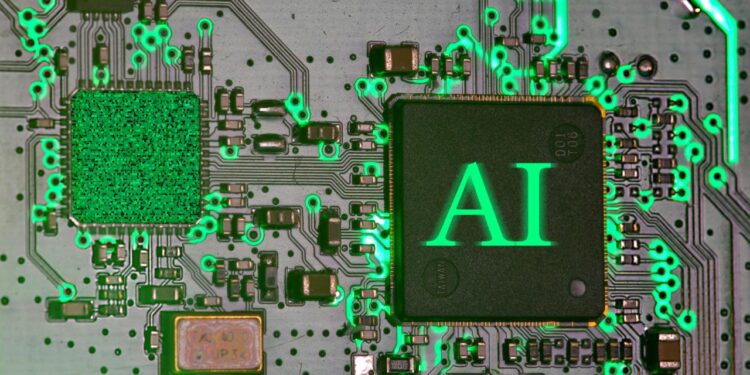
The 21st century has been characterized by rapid technological evolution, giving rise to innovative solutions that are fundamentally reshaping established industries. This shift isn’t just about incremental improvements; it’s a paradigm change driven by advancements in areas like Artificial Intelligence (AI), the Internet of Things (IoT), and renewable energy. Businesses that embrace these cutting-edge tools are achieving unprecedented levels of efficiency, personalization, and sustainability, while those that resist risk obsolescence. Understanding the core drivers and applications of these revolutionary solutions is crucial for any organization aiming to thrive in the modern global economy.
The Digital Transformation Imperative: Core Technologies Driving Change
The current wave of industrial revolution is fueled by several interconnected technologies that form the backbone of modern digital transformation. These technologies empower businesses to move from reactive to predictive operating models, fostering a data-driven culture.
I. Artificial Intelligence (AI) and Machine Learning (ML)
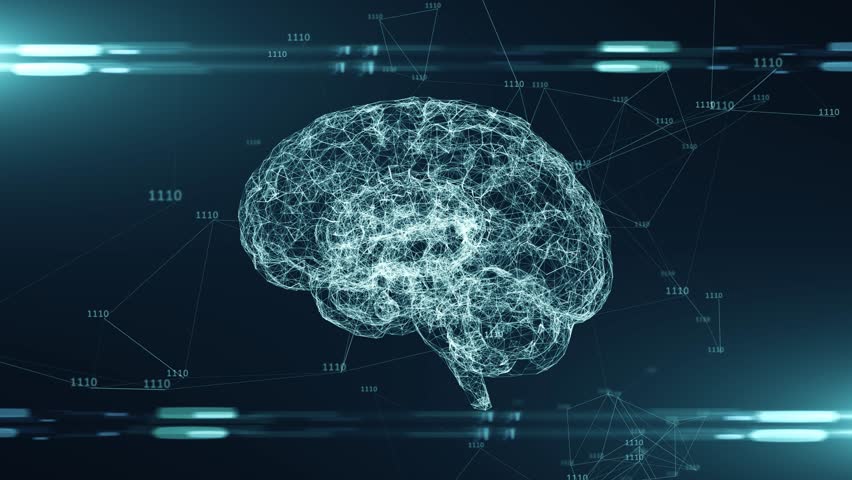
AI and ML are arguably the most impactful technologies, allowing machines to learn from data, identify patterns, and make decisions with minimal human intervention. This capability is transforming virtually every sector.
A. Enhanced Decision-Making: AI algorithms process massive datasets far quicker than humans, providing actionable insights for strategic planning, resource allocation, and risk management. B. Hyper-Personalization: ML models analyze customer behavior to offer tailored products, services, and marketing messages, significantly boosting engagement and sales. C. Automation of Routine Tasks: From robotic process automation (RPA) in finance to AI-powered chatbots in customer service, automation frees up human capital for complex, creative problem-solving. D. Predictive Maintenance: ML analyzes sensor data from equipment to predict failures before they occur, allowing for proactive repairs and minimizing costly downtime, especially critical in manufacturing and energy.
II. The Internet of Things (IoT) and Edge Computing
IoT refers to the network of physical objects (things) embedded with sensors, software, and other technologies for the purpose of connecting and exchanging data with other devices and systems over the internet.
A. Real-Time Data Collection: IoT sensors deployed across factories, cities, and supply chains gather continuous data on performance, environment, and location. B. Optimizing Operations: In logistics, IoT-enabled tracking optimizes delivery routes and manages inventory. In smart cities, it manages traffic flow and energy consumption. C. Edge Computing Power: Edge computing processes data closer to the source (the “edge”) rather than sending everything to a central cloud. This drastically reduces latency, which is vital for time-sensitive applications like autonomous vehicles and critical industrial controls.
III. Blockchain Technology
Often associated with cryptocurrencies, Blockchain’s core value lies in its decentralized, immutable, and transparent ledger system.
A. Supply Chain Traceability: Blockchain creates a permanent record of a product’s journey from origin to consumer, fighting counterfeiting and ensuring ethical sourcing. B. Enhanced Security and Trust: The cryptographic nature of the ledger makes it highly resistant to tampering, ideal for securing sensitive data and financial transactions. C. Smart Contracts: Automated, self-executing contracts with the terms of the agreement directly written into code, eliminating the need for intermediaries and speeding up business processes.
Sector-Specific Transformations: Real-World Impact
The synergy of these core technologies is driving monumental change across specific industries, solving long-standing problems and creating entirely new market segments.
IV. Healthcare: Precision and Access
New solutions are moving healthcare from a generalized, reactive model to a precision-focused, preventative one.
A. Genomic Medicine: AI analyzes genetic data to create highly personalized treatment plans and drug recommendations based on an individual’s unique biology. B. Telemedicine and Remote Monitoring: IoT wearables track patient vitals (heart rate, blood glucose) in real-time, allowing doctors to intervene proactively. Telemedicine expands access to specialists in underserved regions. C. Drug Discovery Acceleration: ML algorithms sift through chemical compounds and biological data to predict the efficacy and toxicity of potential drugs, dramatically cutting the time and cost of R&D.
V. Manufacturing: Industry 4.0
The Fourth Industrial Revolution (Industry 4.0) centers on creating “smart factories” where machines and systems communicate seamlessly.
A. Additive Manufacturing (3D Printing): This allows for rapid prototyping, on-demand production, and the creation of complex, lightweight components previously impossible to manufacture. B. Digital Twins: A virtual replica of a physical asset, process, or system. Operators can test scenarios, optimize performance, and identify potential issues on the digital twin before implementing changes in the real world, reducing risk. C. Collaborative Robots (Cobots): Robots designed to work safely alongside human employees, taking over repetitive or dangerous tasks while humans focus on complex assembly and quality control.
VI. Finance (FinTech): Accessibility and Security
FinTech solutions are democratizing financial services and making them more secure.
A. Automated Risk Assessment: AI quickly analyzes massive amounts of transaction data to detect and prevent fraudulent activities with a high degree of accuracy. B. Mobile and Branchless Banking: Digital platforms and mobile wallets provide financial access to the unbanked population, especially in developing nations, fostering economic inclusion. C. Robo-Advisors: ML-driven platforms provide automated, personalized investment advice at a fraction of the cost of traditional human advisors, making wealth management accessible to the mass market.
VII. Energy: Sustainability and Efficiency
The transition to a sustainable energy system is heavily reliant on new technological solutions.
A. Smart Grids: IoT sensors and AI management systems optimize the distribution of electricity, balancing supply from various renewable sources (solar, wind) with demand, minimizing waste. B. Energy Storage Innovation: Advancements in battery technology (e.g., solid-state and flow batteries) are crucial for storing intermittent renewable energy, ensuring a stable, reliable power supply. C. Carbon Capture Technologies: New chemical and mechanical solutions are being developed to efficiently capture carbon dioxide from industrial sources or even directly from the air, mitigating climate change.
Strategic Adoption: Navigating the Transformation
The implementation of these revolutionary solutions requires a deliberate, strategic approach rather than simply adopting technology for its own sake.
VIII. Key Pillars for Successful Implementation
Organizations must focus on several core areas to successfully integrate these solutions and maximize their return on investment.
A. Data Governance and Quality: Since AI and ML are data-dependent, establishing clear policies for data collection, storage, security, and quality is non-negotiable. Poor data leads to poor decisions. B. Talent and Skill Reskilling: The shift necessitates a workforce capable of managing and interacting with advanced systems. Investment in training and attracting specialized AI/data science talent is critical. C. Cybersecurity Infrastructure: As systems become more interconnected (IoT), the attack surface expands. Robust, multi-layered cybersecurity protocols must be integrated into every new solution from the design phase (Security by Design). D. Ethical AI Frameworks: Businesses must proactively establish guidelines to ensure AI algorithms are fair, transparent, and unbiased, preventing discriminatory outcomes, particularly in areas like hiring or lending.
IX. The Future Outlook and Continuous Innovation
The pace of innovation is accelerating, suggesting that today’s cutting-edge solutions will be tomorrow’s standards.
A. Quantum Computing’s Potential: While still in its infancy, quantum computing promises to solve problems currently intractable for classical computers, impacting drug design, materials science, and cryptography. B. Metaverse and Extended Reality (XR): The integration of virtual and augmented reality in industrial settings is already transforming training (simulations) and remote collaboration. C. Increased Focus on Hyper-Automation: The move towards end-to-end automation, integrating multiple systems and processes without human checkpoints, will be the next major efficiency leap. D. The Circular Economy Model: Technology will increasingly be used to manage resource flows, optimize product lifecycle, and minimize waste, driving a more sustainable, closed-loop economic system.
The era of revolutionary solutions is not a future prospect; it is the present reality. By strategically integrating AI, IoT, and other advanced technologies, industries are not just optimizing current processes but are creating fundamentally new value propositions. This transformation demands courage in investment, a commitment to workforce reskilling, and an unwavering focus on ethical implementation. For businesses willing to make this shift, the rewards are measured in market leadership, operational excellence, and lasting competitive advantage.